
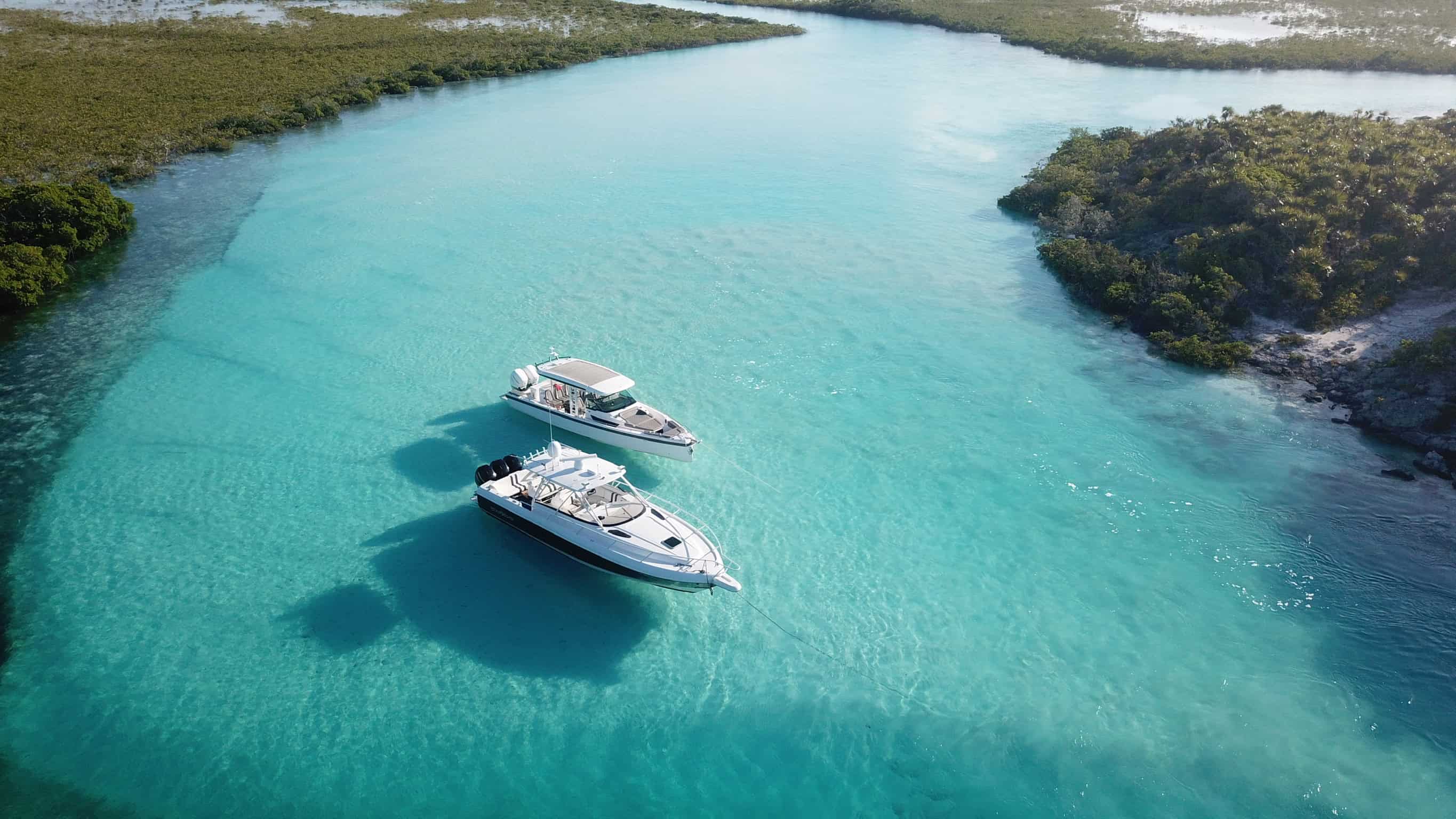
The Bahamas was made to be explored by boat. With impossibly clear water, welcoming people, and hundreds of islands, cays, beaches, settlements, and hidden anchorages to discover, every crossing feels like the start of a new story. Better still, The Bahamas makes it relatively easy for boaters to arrive, clear, and continue moving from island to island at their own pace.
Of course, paradise still comes with paperwork. Before you set off, it helps to understand the basics: Customs and Immigration, cruising permits, fishing permits, anchoring, inter island travel, and the practical rules that shape a smooth boating trip. This guide breaks down the essentials so you can spend less time guessing and more time enjoying the water.
1. Before You Leave: What to Have Ready
Before crossing into Bahamian waters, boaters should have their documents and basic plans organized. This is not the part of the trip anyone wants to improvise. A smooth boating trip starts before you ever leave the dock.
At a minimum, you should have:
| Item | Why It Matters |
| Valid passports for all passengers | Non citizens and non residents generally need passports valid for at least six months at entry. |
| Vessel registration or documentation | Required for clearance. |
| Crew and passenger details | Needed for Customs and Immigration forms. |
| Cruising permit application information | Required for foreign pleasure vessels. |
| Fishing permit plan | Fishing permits are now separate from cruising permits. |
| Pet permit, if applicable | Pets require proper approval before entry. |
| Firearms details, if applicable | Firearms must be declared with serial numbers and ammunition counts. |
| Marina reservations | Dockage can be limited during peak boating seasons. |
| Weather window | Especially important for Gulf Stream crossings, cold fronts, cuts, banks, reefs, and shallow water navigation. |
All travelers who are not citizens or legal residents of The Bahamas must present a passport valid for at least six months at entry, according to official Bahamas tourism guidance.
2. Entering The Bahamas: What Actually Happens
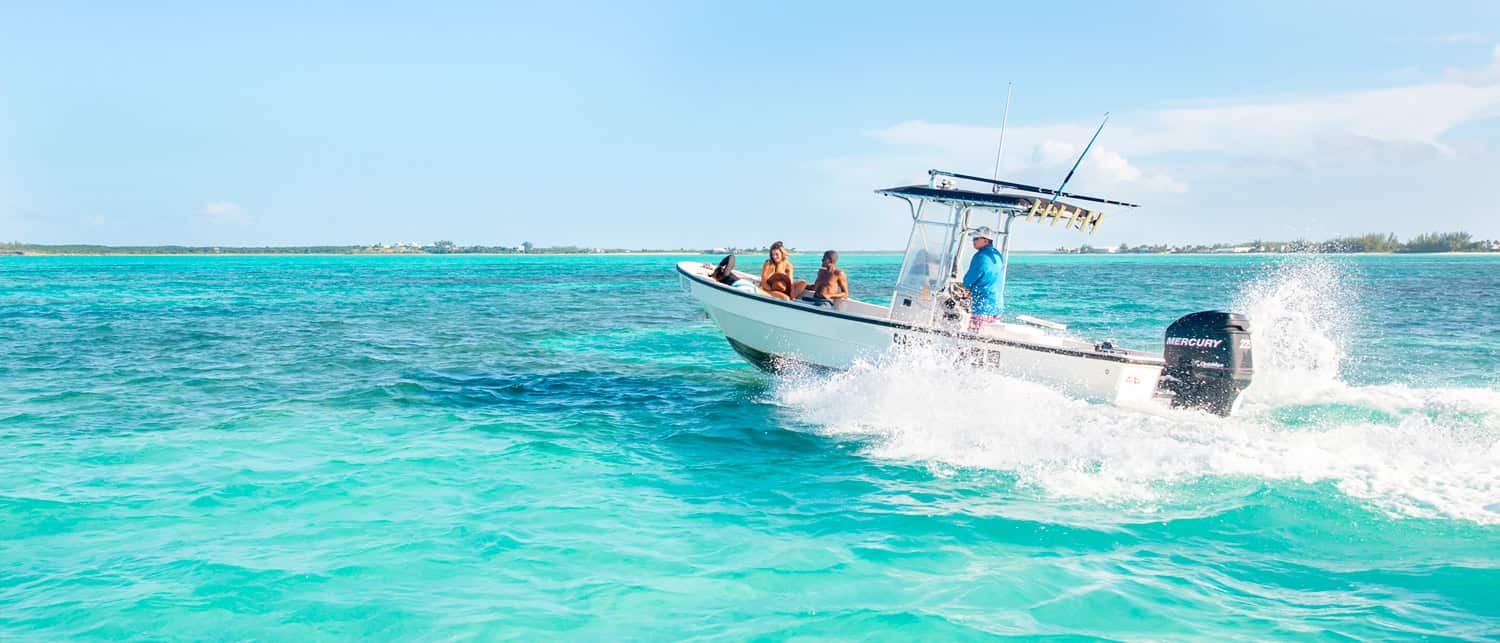
Every foreign vessel entering The Bahamas must clear at an official Port of Entry. Not every marina is an official Port of Entry, prepare ahead of time.
The basic process is:
-
Fly the yellow quarantine flag upon arrival
-
Proceed to a designated Port of Entry
-
Only the captain may leave the vessel before clearance.
-
Report directly to Customs and Immigration.
You will need:
-
Passports for all passengers
-
Vessel registration
-
Crew and passenger list
-
Customs and Immigration forms (submitted online or in person)
-
Payment for applicable fees
Even if you complete everything digitally beforehand, you still must physically check in at a registered Port of Entry. A Customs officer is required to board, examine, and clear the vessel.
Once you’re cleared, all 100,000 square miles of beautiful blue ocean is yours to explore!
3. The Cruising Permit: The Foundation of Your Stay
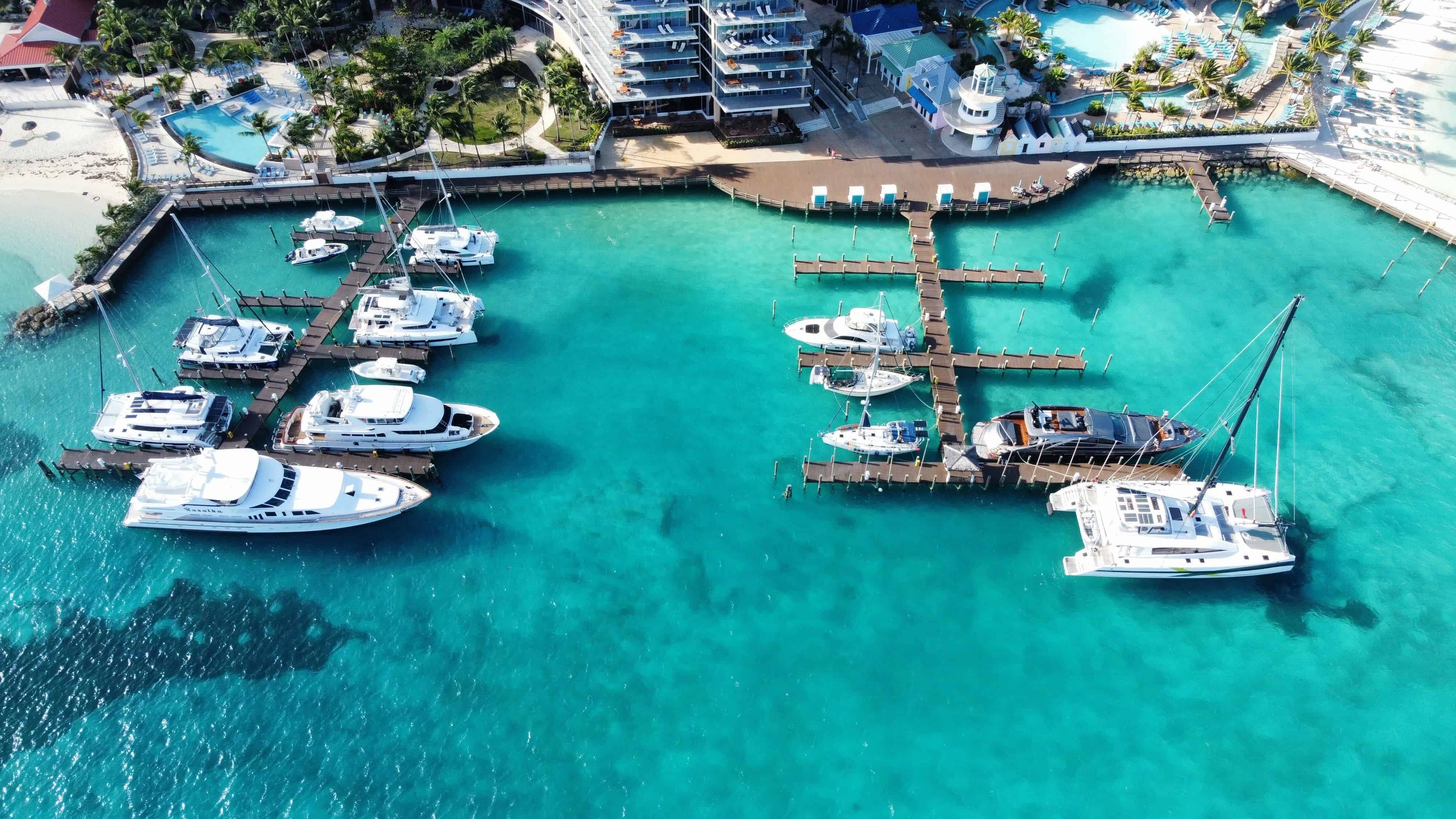
To legally cruise in Bahamian waters, every foreign pleasure vessel must obtain a cruising permit
-
Cruise between islands
-
Anchor or dock legally
The Bahamas offers 30 day, 6 month, and 12 month cruising permits, with fees based on vessel size.
| Permit Type | Vessel Size | Current Fee |
| 30 Day Permit | Not exceeding 30 ft | $150 |
| 30 Day Permit | Over 30 ft to 50 ft | $250 |
| 30 Day Permit | Over 50 ft to 100 ft | $350 |
| 30 Day Permit | Over 100 ft | $600 |
| 6 Month Permit | Not exceeding 50 ft | $300 |
| 6 Month Permit | Over 50 ft to 100 ft | $750 |
| 6 Month Permit | Over 100 ft | $2,000 |
| 12 Month Permit | Not exceeding 50 ft | $500 |
| 12 Month Permit | Over 50 ft to 100 ft | $1,000 |
| 12 Month Permit | Over 100 ft | $3,000 |
The 30 day permit does not include free reentry. The 6 month permit includes one free reentry, and the 12 month permit includes two free reentries during the permit period.
Important distinction:
The vessel’s cruising permit and the people’s Immigration status are separate. A 12 month cruising permit does not automatically mean every passenger can remain in The Bahamas for 12 months. Visitors should confirm their permitted length of stay with Immigration and request extensions when needed.
4. The Frequent Digital Cruising Card: For Boaters Who Visit Often
For boaters who plan to come and go often, The Bahamas also offers the Frequent Digital Cruising Card, often referred to as the FDCC.
This is especially important for anyone thinking about using The Bahamas as a recurring boating base rather than a single vacation destination.
Current Customs information lists FDCC fees as:
| Vessel Size | FDCC Fee |
| Not exceeding 50 ft | $1,500 |
| Over 50 ft but under 100 ft | $2,500 |
| Over 100 ft | $8,000 |
The FDCC is designed for repeat access and can allow unlimited visits for up to two years, subject to the terms and conditions of the program. Bahamas Customs also notes that FDCC anchorage fees are valid for two years.
For boaters who plan to return often, this is where lifestyle and real estate begin to overlap. The right home base can make repeat trips simpler, more efficient, and far more enjoyable.
5. Passenger Taxes and Additional People on Board
Larger groups should budget for passenger taxes. For pleasure vessels carrying more than three nonresident passengers or crew aged six or older, Bahamas Customs lists an additional passenger arrival tax on entry. A departure tax may also apply when leaving The Bahamas, although Customs notes that passengers may be exempt if they can show the passenger tax receipt received on entry.
6. Fishing Permits Are Separate
Fishing permits are no longer included in the cruising permit.
If you plan to fish in The Bahamas, you must obtain a separate fishing permit. Current official guidance states that fishing permits are valid for 30 days and must be renewed every 30 days if you continue fishing.
| Vessel Size | Permit Fee | Validity |
| Up to 50 ft | $100 | 30 days |
| Over 50 ft | $300 | 30 days |
A fishing permit does not mean anything goes. Boaters must also follow Bahamian fishing rules, including limits, seasons, protected species rules, and restrictions that may apply in marine protected areas.
7. Anchoring Versus Docking: Why It Matters
Not every boater plans to stay in a marina. Some prefer to anchor out, which can be beautiful, peaceful, and occasionally a test of how well everyone on board handles “togetherness.”
Anchorage fees may apply to pleasure vessels that anchor instead of docking at a marina. Bahamas Customs lists FDCC anchorage fees as:
| Vessel Size | Anchorage Fee |
| Not exceeding 50 ft | $200 |
| Over 50 ft but not over 100 ft | $350 |
| Over 100 ft | $1,500 |
For FDCC vessels, these anchorage fees are valid for two years.
Boaters should confirm whether anchorage fees apply to their specific permit, route, and length of stay. Having a reliable place to land, dock, provision, and reset can make a major difference, especially for boaters who return season after season.
8. AIS Requirements for Larger Vessels
Foreign pleasure vessels over 50 ft must have an Automatic Identification System, known as AIS, active at all times while operating in Bahamian waters. Noncompliance can result in fines.
9. Exiting The Bahamas: What’s Required
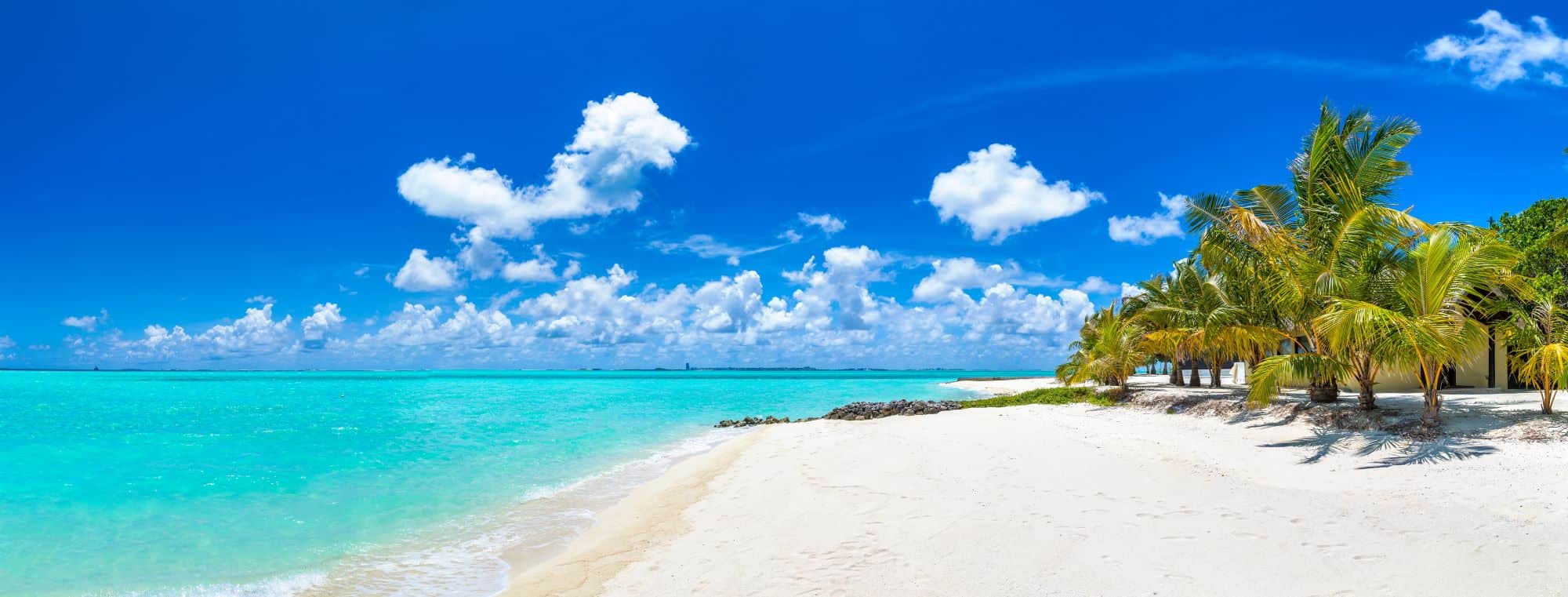
Before leaving The Bahamas, boaters should surrender their Immigration card at the final Bahamian port of call. Official Bahamas boating guidance states that private vessel captains returning to the United States must report immediately upon first landfall to U.S. Customs and Border Protection.
Bahamas Customs also notes that pleasure vessels may need outbound clearance documents, particularly if required by the next destination, and that an outward clearance fee may apply. Current Customs guidance lists a $75 fee for official outbound clearance documentation.
What this means practically:
Leaving properly is part of the trip. Your next destination may require proof that you cleared out of The Bahamas.
Boating in The Bahamas is part adventure, part preparation, and part knowing which form goes where before someone in an official looking shirt starts asking questions. The process is certainly easy enough, but it does reward boaters who plan ahead and understand the basics before they arrive. Once the logistics are in place, the payoff is enormous: more confidence, more flexibility, and more time enjoying one of the world’s great boating destinations instead of untangling details at the dock.
If boating is becoming part of your Bahamas lifestyle, Bahamas Realty can help you explore the homes, communities, and waterfront properties that make repeat island cruising easier and more convenient.


Footer Social