
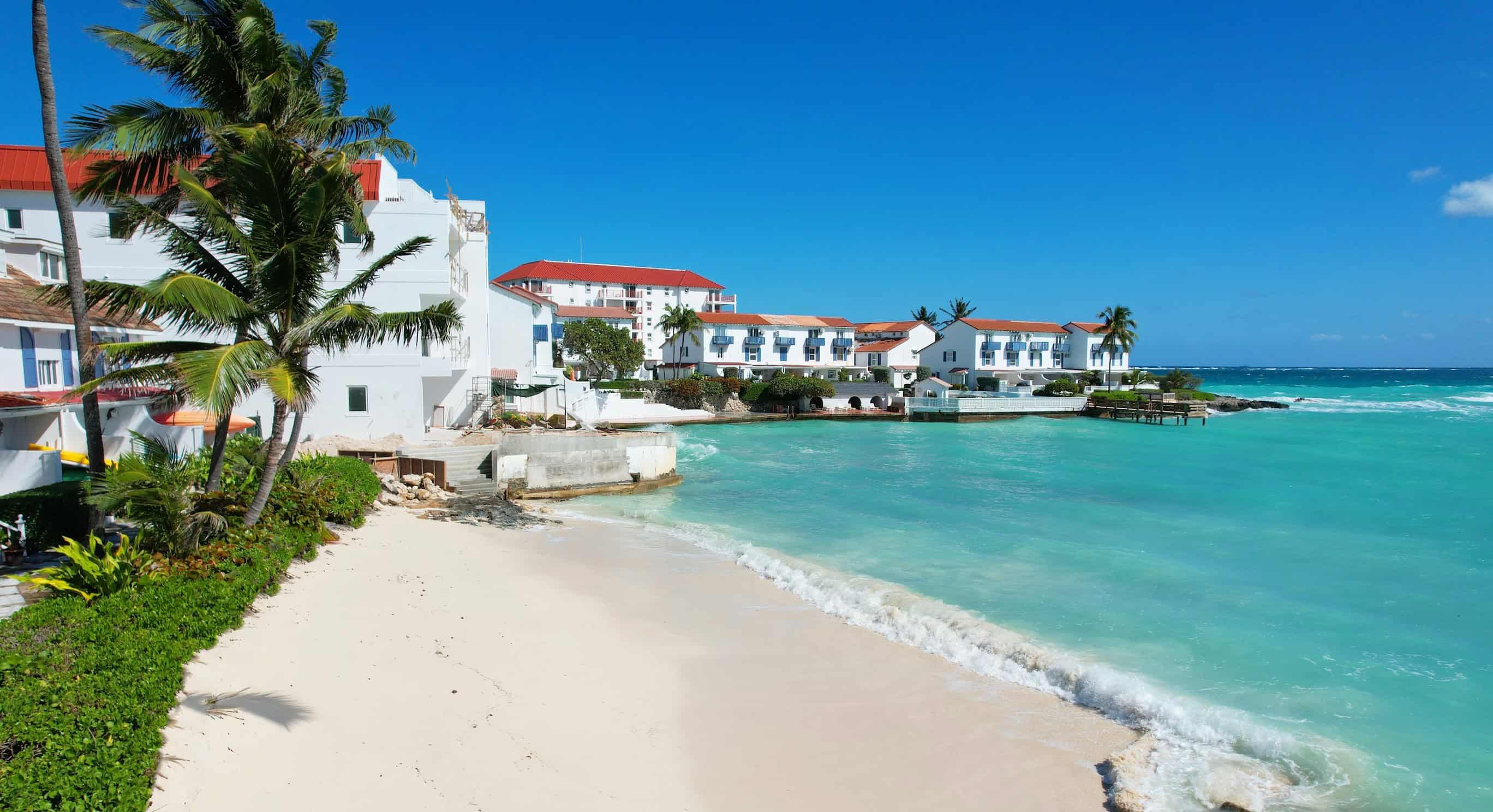
The appeal of owning property in The Bahamas is not exactly a mystery. I came to The Bahamas for five years and, thirty years later, I am still here. That suggests either very poor planning or the good sense not to leave paradise. I like to assume it was the latter.
Over those years, I have fallen in love with these islands, raised a family here, worked in both the commercial and residential real estate markets, and owned and remodeled homes here. So, when I talk about buying property in The Bahamas, I do not only look at it as a real estate professional. I also look at it as someone who lives through the practical realities of island ownership, beyond the beautiful days.
Owning property in The Bahamas is a dream come true. The water, the breeze, the outdoor living, and the pace of island life all make a very convincing argument. But a good purchase is about more than enjoying the view. Hurricane season is a useful reminder that buyers should also pay attention to the practical details: where a property sits, how it is built, the materials used to build it, how water moves around it, and how well it is prepared for island conditions.
That is not meant to discourage anyone from buying in The Bahamas. Quite the opposite. The more a buyer understands before purchasing, the more confidence they can have in the property they choose and the more enjoyment they will get out of their property.
Experienced Bahamian homeowners know that a beautiful home is one thing. A beautiful home that is well located, properly built, thoughtfully maintained, and able to handle island weather is something else entirely.
They also know the importance of working with a local real estate professional who understands the area, the history of the neighbourhood, the service providers, the insurance considerations, and the practical questions that may not be obvious during a sunny day showing.
Hurricane season does not mean buyers should be afraid of owning property in The Bahamas. It simply teaches us what to look for before buying.
Elevation and Drainage Should Be Part of the First Conversation
In The Bahamas, water is part of the lifestyle. It is also part of the due diligence.
Before buying a home, experienced homeowners pay close attention to elevation and drainage. A property does not need to sit directly on the ocean to have flooding concerns. Heavy rainfall, poor grading, blocked drainage, low lying land, or surrounding properties that drain toward the site can all create problems.
One of the best questions a buyer can ask is simple; where does the water go? That question may sound simple, but it is often overlooked.
After a heavy rain, some properties dry quickly. Others hold water long after the clouds have cleared. While puddles are fun for children to splash in, standing water can affect landscaping, foundations, access, maintenance, pest control, and long term enjoyment of the property.
Having owned homes here, I can tell you that drainage is one of those things people do not think much about until the yard becomes a splash pad nobody ordered. It is not the feature that sells the house in the brochure. No one falls in love with a house because the gutters are well positioned. But after the first serious rain, you may find yourself admiring them with surprising sincerity.
This is where local knowledge becomes extremely valuable. A real estate professional who regularly works in the area may know which roads hold water, which communities are better elevated, which lots have had drainage concerns, and which questions should be raised before a buyer gets too far into the process.
When viewing a home in The Bahamas, buyers should look at:
• Whether the house sits higher or lower than the road
• Whether the yard slopes toward or away from the home
• Whether there are gutters and downspouts
• Whether nearby roads flood during heavy rain or have working drains
• Whether neighboring properties drain toward the site
• Whether there is evidence of past water intrusion
Location Matters More Than Convenience
In real estate, location is always important. In The Bahamas, hurricane season gives that word a little more context.
Buyers often think about location in terms of beach access, schools, shopping, marinas, restaurants, and commuting. But experienced buyers also consider the area’s access, elevation, drainage and exposure.
-
Does the road flood easily?
-
Is the property exposed to storm surge?
-
Is the area low lying?
-
How quickly are utilities usually restored in the area?
-
Are the utilities underground or above?
-
Is there more than one way in and out?
-
Is the home protected by elevation, distance, or surrounding land?
These are not questions meant to take the romance out of buying property. They are meant to protect your investment.
A canal front home, beachfront cottage, gated community property, and inland family home can all be excellent purchases. But they each carry different considerations. The goal is not to avoid every possible risk. That would be difficult anywhere, and especially on an island. The goal is to understand the property clearly before making the decision.
This is one of the reasons buyers benefit from working with a local real estate professional. Online research can tell you the distance to the beach. A local advisor can often tell you what the road looks like after three days of rain and which areas have stronger resale demand.
Construction Quality Matters More Than Cosmetic Upgrades
New finishes can be very persuasive. Paint is powerful. Staging can work small miracles. But in The Bahamas, experienced buyers know to look past the polish.
Construction quality, maintenance, and storm protection should carry serious weight. A beautifully presented home may still have issues that are not obvious at first glance. Having owned homes here, I have learned that the less glamorous features are often the ones you appreciate most over time: a solid roof, good windows, proper shutters, and sensible materials make home ownership easier.
Before buying property in The Bahamas, buyers should ask about:
• Roof age and condition
• Impact windows and doors
• Hurricane shutters or storm protection systems
• Exterior doors, frames, and hardware
• Signs of leaks or water intrusion
• Quality of construction and any additions
• Backup power options
• Ongoing maintenance history
A fresh coat of paint can make a home look new. It cannot make a roof younger. A pretty backsplash may help sell the kitchen, but it should not distract from the windows, doors and quality construction doing the real work of protecting your investment.
A good local real estate professional can also help buyers identify when additional advice is needed. That may mean recommending a qualified contractor, home inspector, engineer, surveyor, insurance broker, or attorney. In The Bahamas, having access to reliable service providers is not a small detail. It can make the difference between a smooth purchase and a very expensive education.
A knowledgeable real estate agent does not replace professional inspections or legal advice, but they can help a buyer know when to slow down, ask better questions, and bring the right people to the table.
Landscaping and Trees Deserve a Closer Look
Landscaping is often treated as the finishing touch. A nice garden, a few palms, some flowering shrubs, and suddenly everyone is emotionally attached.
I understand this completely. A beautiful garden in The Bahamas can make a home feel settled, private, and full of life. It can soften a house and frame a view, but hurricane season reminds us that landscaping is not just decorative. It is an essential part of protecting your investment.
Experienced Bahamian homeowners look at the trees, grading, and outdoor areas with a practical eye. Are large trees too close to the house? Are palms maintained? Do branches hang over the roof or power lines? Does the landscaping help move water away from the home, or does it trap water where it should not?
A beautiful yard can add tremendous value and enjoyment to a property, but poorly planned landscaping can create problems during heavy rain and high winds.
Buyers should pay attention to:
• Large trees close to the house or power lines
• Overgrown branches near the roof
• Palms or trees that appear unhealthy or poorly maintained
• Landscaping that blocks drainage
• Hardscaping that directs water toward the home
• Loose outdoor features that may need to be secured before a storm
Salt air, heat, wind, and heavy rain are all part of owning property in The Bahamas. A garden that looks lovely on the day of a showing should also make sense after a week of bad weather.
Insurance Should Not Be an Afterthought
Insurance is not the fun part of buying a home. It does not usually inspire anyone to open a bottle of champagne. But in The Bahamas, it is an essential part of the buying process.
Buyers should ask insurance questions early, especially when considering waterfront property, older homes, income producing properties, commercial property, or homes in areas with higher exposure to wind or flood risk.
Important questions include:
• Is the property insurable?
• What coverage is available?
• Is flood coverage recommended or required?
• Do impact windows, shutters, or other improvements help offset the premiums?
• Has the property had previous insurance claims?
• What documents will the insurer require before issuing coverage?
Insurance affects more than peace of mind. It can affect affordability, financing, closing timelines, and resale value.
As a homeowner, I know insurance can feel like one of those practical details you would rather deal with later. But later has a bad habit of arriving at the most inconvenient time. Understanding the insurance picture early gives buyers a clearer sense of the true cost of ownership.
This is another area where local guidance is valuable. A real estate professional who understands the market can often point buyers toward insurance providers, contractors, and other advisors who are familiar with Bahamian property conditions. The right questions asked early can help buyers avoid unwelcome surprises later.
And in real estate, last minute surprises tend to be expensive and inconvenient.
Condo and Community Rules Matter Too
For buyers considering a condominium, townhouse, gated community, or managed development, hurricane readiness is not only about the individual unit. It is also about the building, the association, the shared systems, and the rules that govern the property.
This is where buyers need to ask a different set of questions. Who is responsible for the roof? Who maintains the exterior? Are hurricane shutters permitted or required? Is there building insurance? Are there adequate reserves? What happens if the property needs major repairs after a storm?
A condo may offer convenience and peace of mind, especially for second homeowners or buyers who do not live in The Bahamas full time. But convenience depends heavily on good management.
Buyers should ask about:
• Building insurance and what it covers
• Reserve funds for major repairs
• Responsibility for roofs, windows, doors, and exterior walls
• Hurricane shutter rules
• Generator coverage for common areas or individual units
• Storm preparation procedures
• Post storm cleanup and repair plans
• Past special assessments
• Restrictions on exterior changes
• Maintenance history for the building or community
A well run condominium or community can make ownership much easier. A poorly managed one can turn even a beautiful property into a group project nobody signed up for. When you buy into a condo or managed community, you are not just buying the unit. You are buying into the rules, the reserves, the maintenance culture, and the decision making of the association. That deserves the same attention as the view from the balcony.
Resilience Adds Real Value
In The Bahamas, resilience is not just practical. It is valuable.
A resilient property is one that has been built, improved, or maintained with island conditions in mind. It does not mean the property is indestructible. It means the owner has paid attention to the things that matter here, wind, rain, salt air, sun, drainage, power outages, and long term maintenance.
Resilience may include:
• Strong construction
• Good elevation
• Proper drainage
• Quality roofing
• Impact windows and doors
• Hurricane shutters
• Backup power
• Water storage
• Durable exterior materials
• Sensible landscaping
• Regular maintenance
These features may not always photograph as beautifully as a new kitchen island, but they matter deeply over time.
For sellers, resilience can be a selling point. For buyers, it can provide confidence. For future resale, it can help a property stand apart.
After years of living and working here, I have come to believe that resilience is a large part of the value. It is not always the flashy part, but it is often the part owners appreciate most once they are actually living with the property, not just looking at it.
Experienced Bahamian Homeowners Look Beyond the Sunny Days
Most buyers view property on good days. But experienced Bahamian homeowners mentally walk through the property in less perfect conditions. They think about a hard rain. A power outage. Salt air. A long summer. A tropical storm. A roof repair. An insurance renewal.
That is not pessimism. That is experience.
The best property decisions balance lifestyle with logic. Buyers should absolutely love the home they choose, but they should also understand how the property is likely to perform over time.
That is why the right local real estate professional matters. Not just someone who can open the door, but someone who understands the market, knows the neighbourhoods, has relationships with local service providers, and can help buyers see beyond the obvious.
A good property looks appealing on a sunny day. A great property still makes sense when the weather changes.
The Bottom Line for Buyers
I believe deeply in owning property in The Bahamas. I believed in it enough to make this country my home, and after thirty years, I still understand exactly why people are drawn here. But I also know that buying well means looking at the full picture.
Hurricane season teaches us that buying property in The Bahamas is about more than bedrooms, bathrooms, and views. It is about elevation, drainage, location, construction quality, insurance, maintenance, landscaping, community rules, and long term resilience. It is also about having the right local guidance.
For buyers, that means asking better questions before making an offer. For sellers, it means understanding that practical improvements can add real value. And for homeowners, it is a reminder that the best properties are not just beautiful. They are prepared.
Working with a local real estate professional can help buyers understand not only the property itself, but the area around it, the service providers available, the common concerns, and the questions that should be asked before closing.
Because in The Bahamas, buying well is not about choosing between beauty and practicality. The best properties offer both. They are the homes that make you fall in love on a sunny day and still make sense when the weather changes.
For more information on home ownership in the Bahamas, contact us today at [email protected] or 242.396.0000.


Footer Social